Volkan
Volkan is a study of matter, pressure and transformation.
The sculptural series takes its visual language from volcanic landscapes — surfaces shaped by heat, rupture and time, where something seemingly solid is constantly in the process of becoming something else.
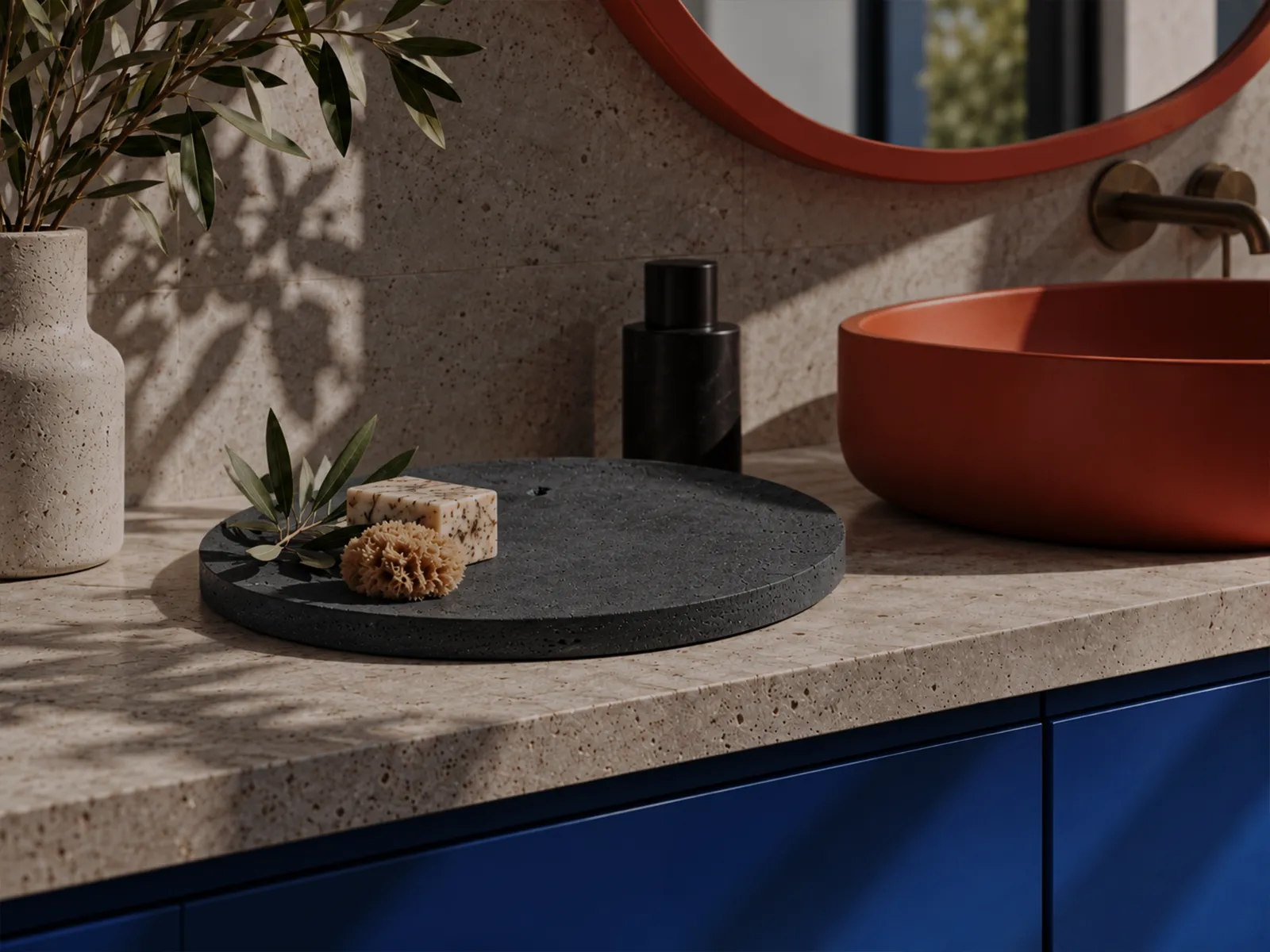
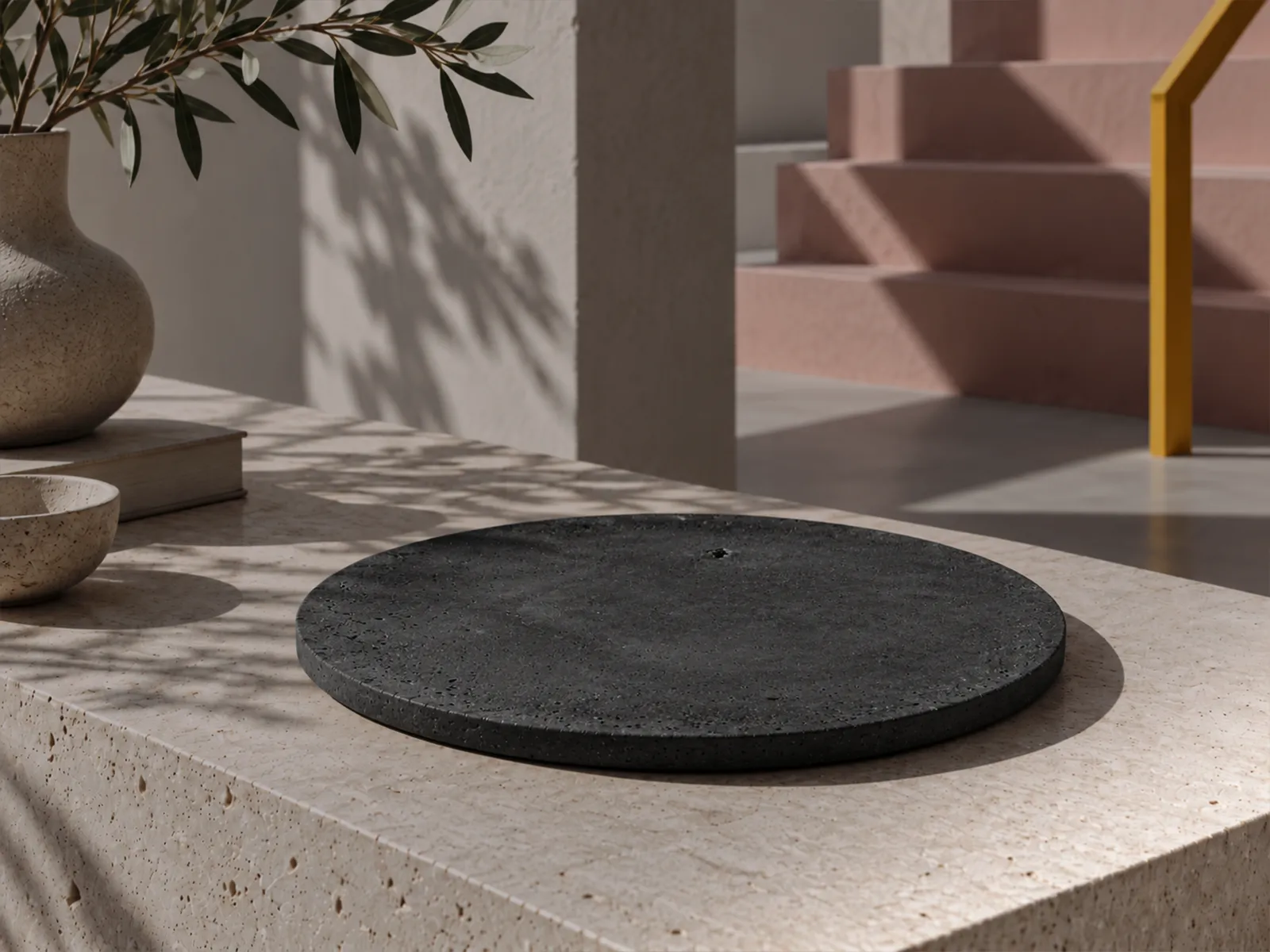
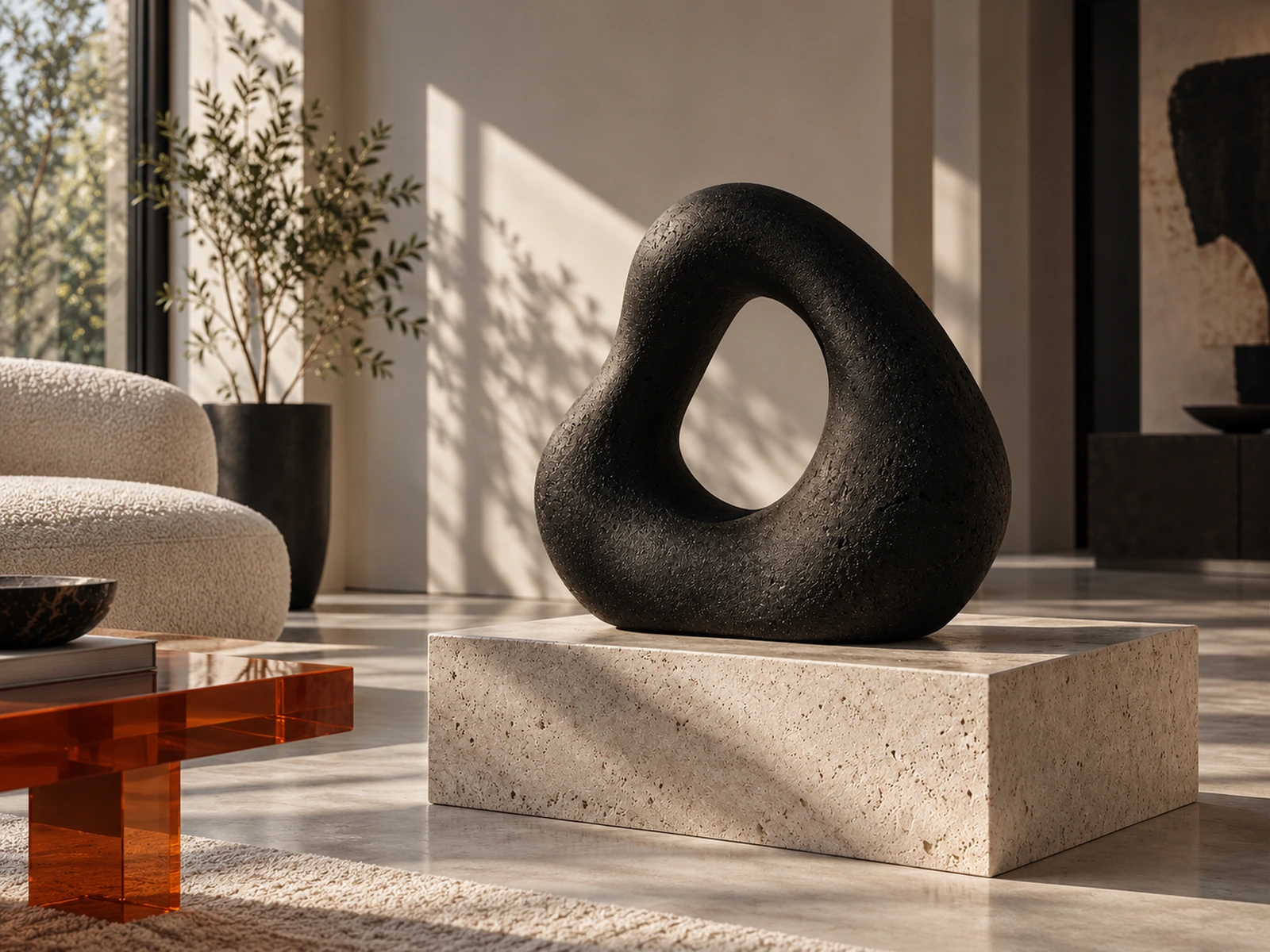
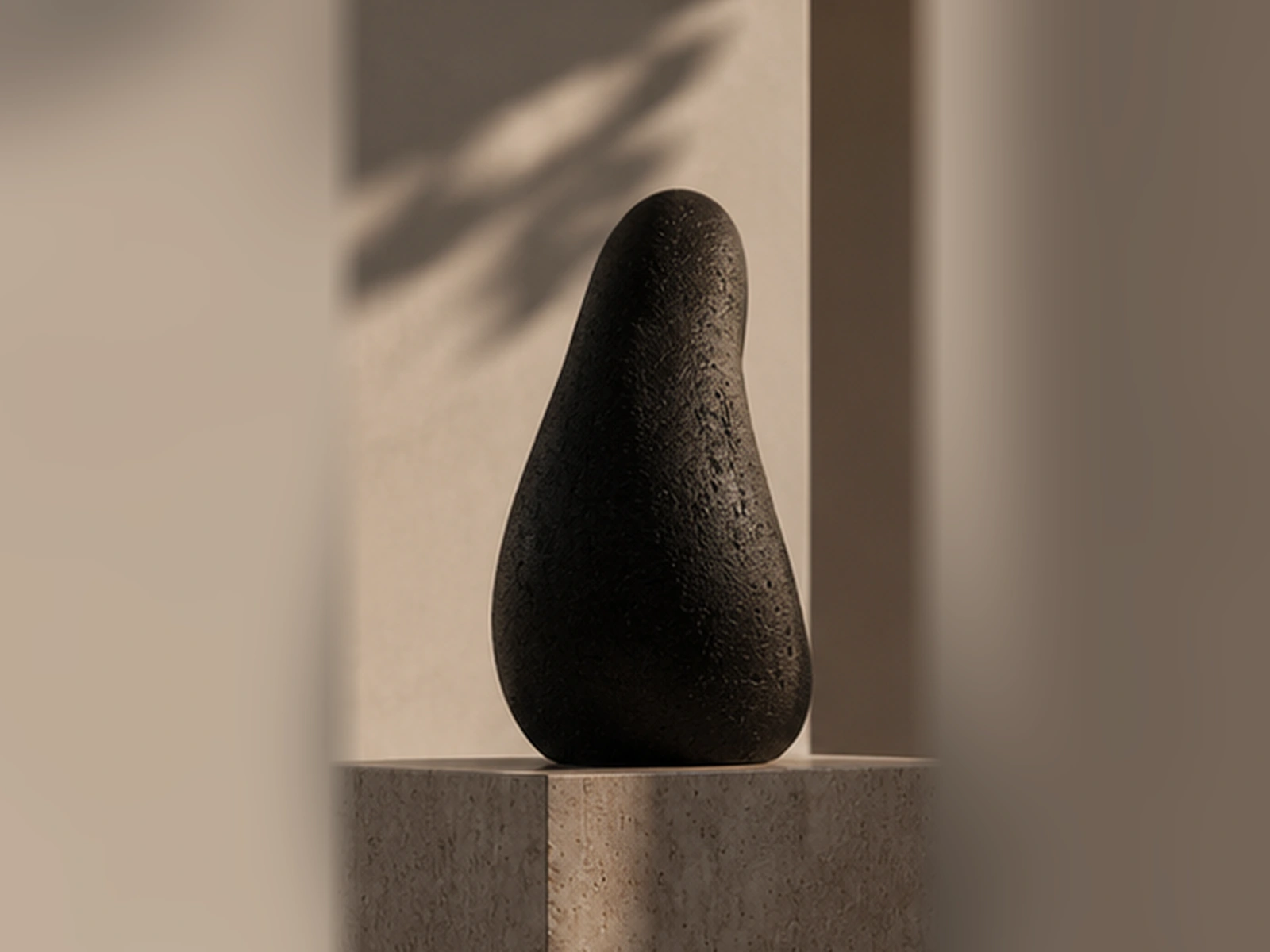
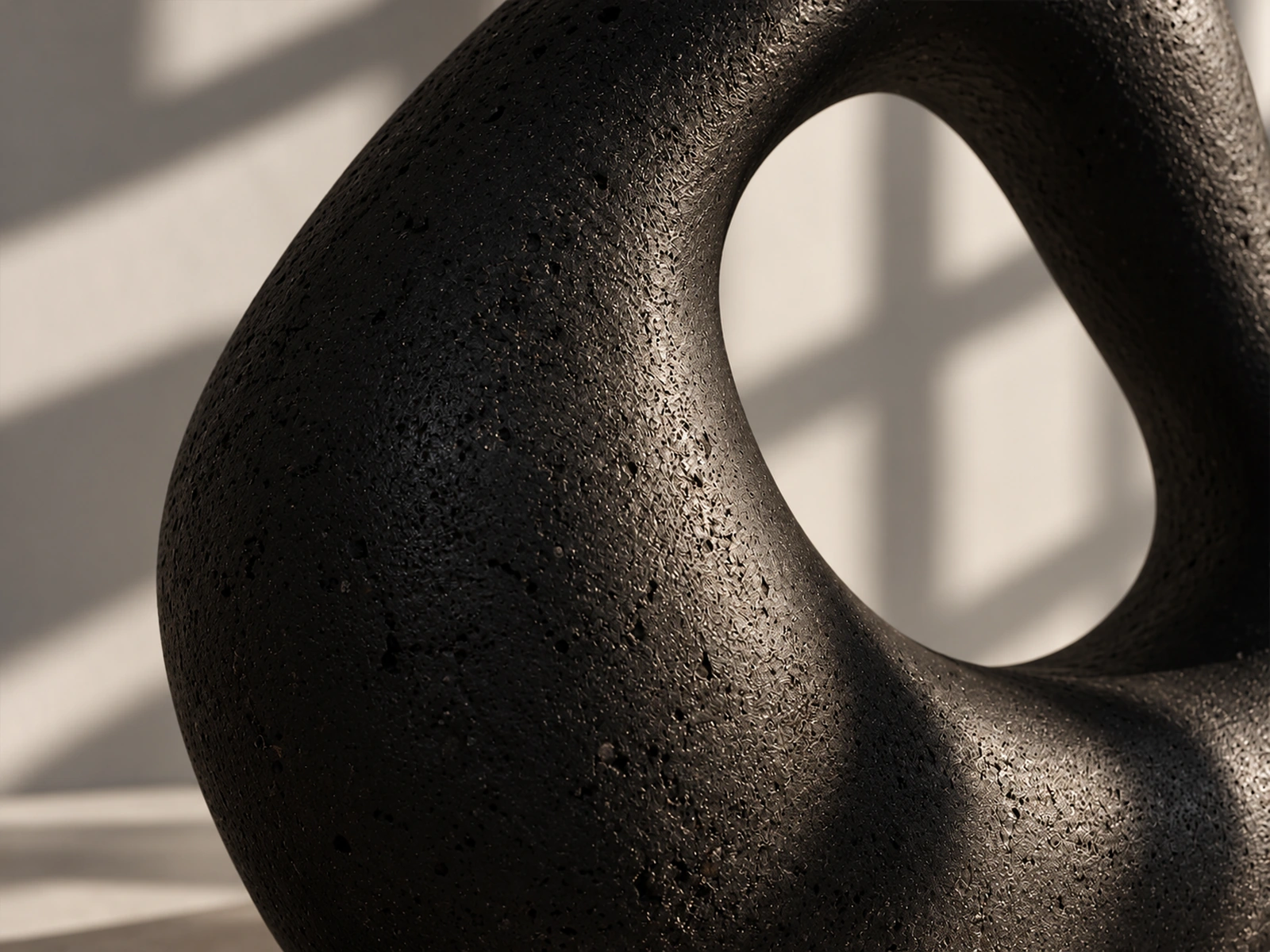
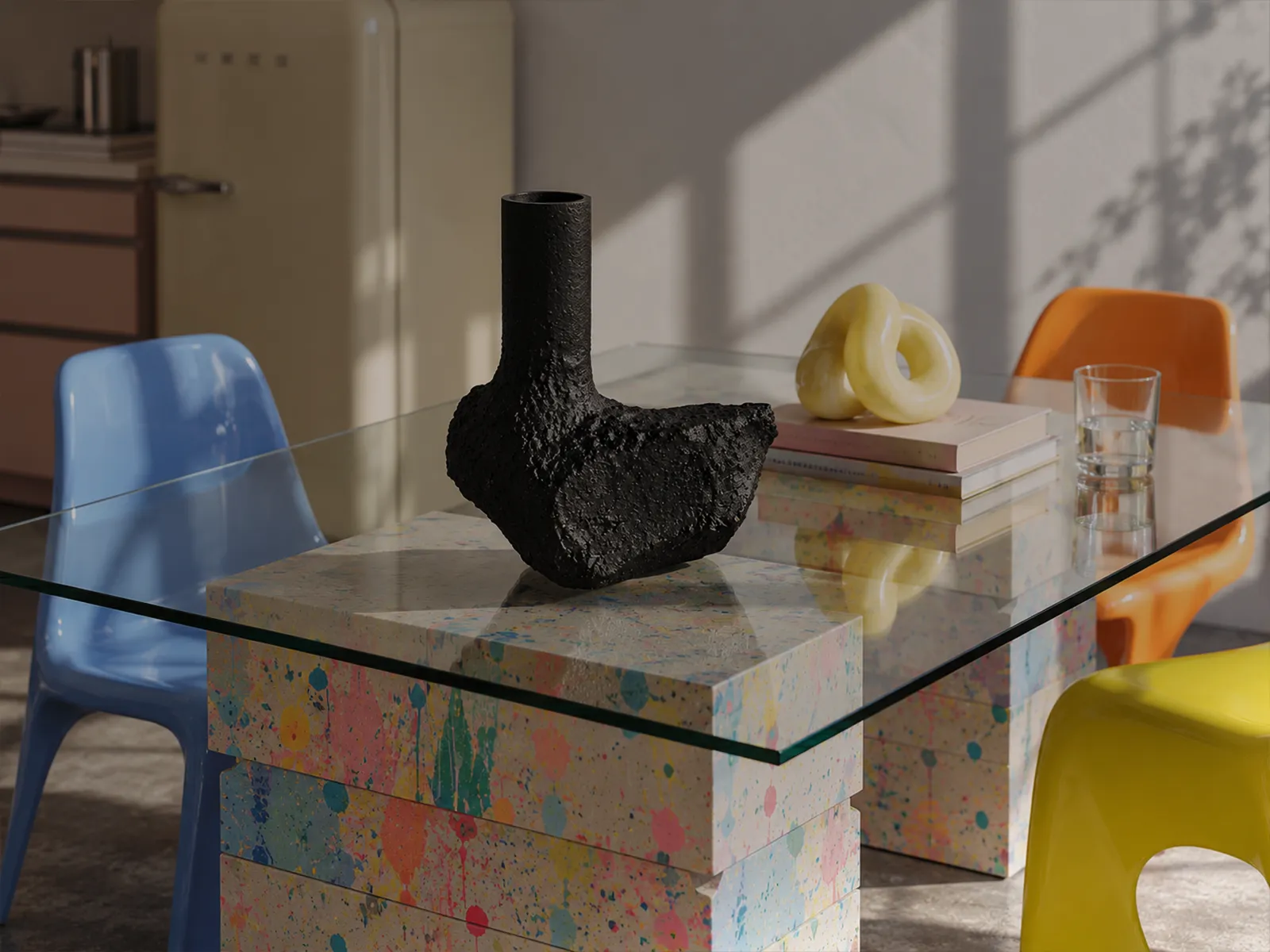
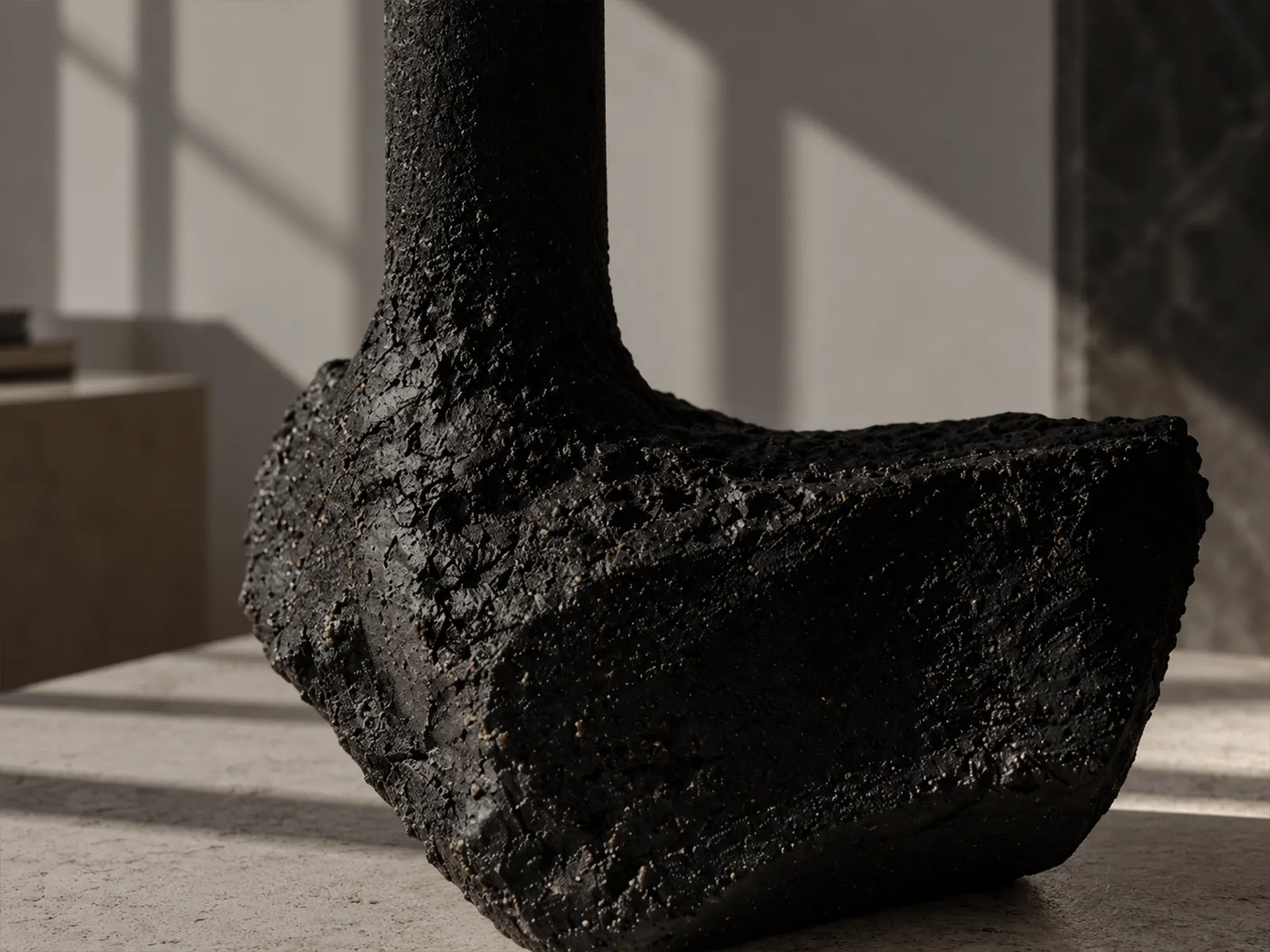
Made in black Jesmonite, each object combines controlled geometry with deliberately irregular, almost geological structures. Smooth openings, cylindrical interventions and reduced silhouettes meet coarse surfaces, small imperfections and uneven edges. Rather than disguising the traces of the making process, Volkan allows them to remain visible. Texture becomes part of the form; imperfection becomes part of the object’s identity.
The pieces move somewhere between sculpture and functional object. Some suggest vessels, others fragments of architecture, tools or excavated artefacts whose original purpose is no longer entirely clear. This ambiguity is intentional. Instead of defining how an object should be read or used, the series leaves space for association.
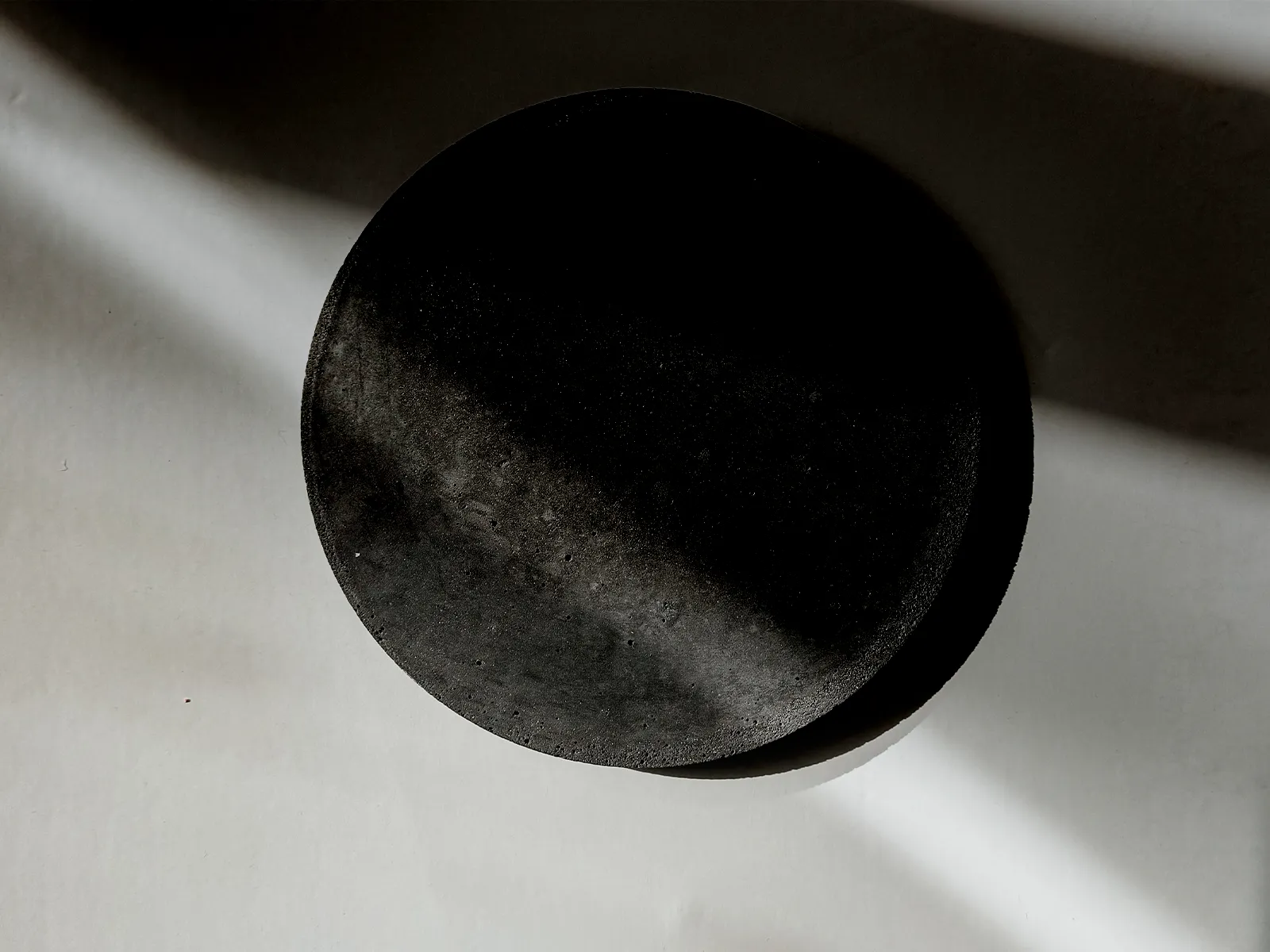
The deep black material gives the works a sense of weight and permanence, while their organic contours prevent them from becoming static. Depending on the light, the rough Jesmonite surface shifts between almost matte, mineral darkness and subtle reflections, revealing cavities, ridges and traces that disappear again from another angle.
At its core, Volkan is interested in the relationship between control and accident, construction and erosion, permanence and change. Each piece begins with an idea of form, but the material is allowed to participate in the final result. Nothing is meant to feel completely polished or industrially perfect.
The objects therefore appear less manufactured than formed — as if they had been compressed, broken, melted and slowly brought back into shape.
Volkan # 01
Black Jesmonite.
Handcrafted Plate.
Custom dimensions available upon request.
( Love at first Sight? )
Handcrafted Plate.
Custom dimensions available upon request.
Volkan # 02
Black Jesmonite.
Handcrafted Sculpture.
Custom dimensions available upon request.
( Love at first Sight? )
Handcrafted Sculpture.
Custom dimensions available upon request.
Volkan # 03
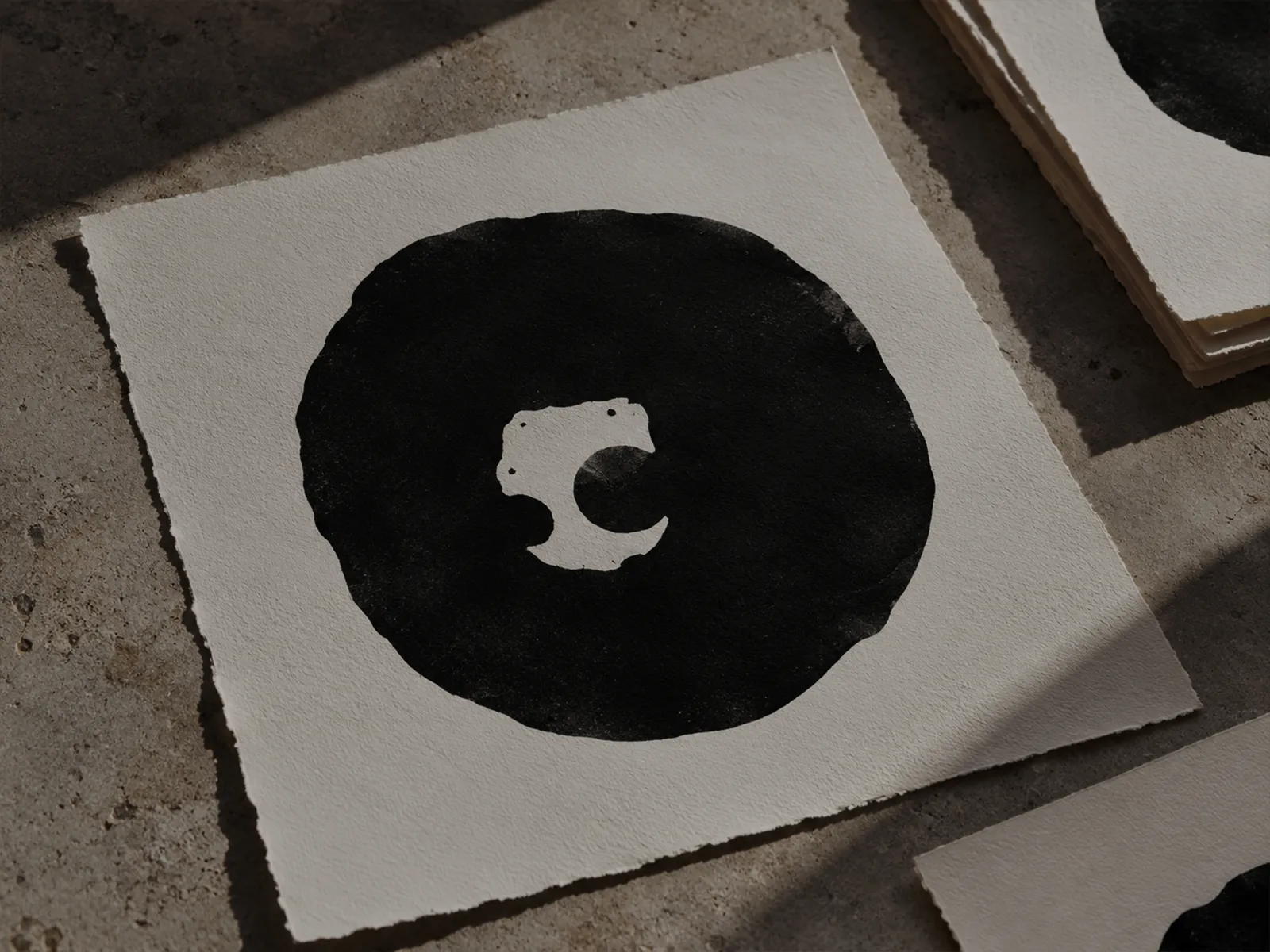
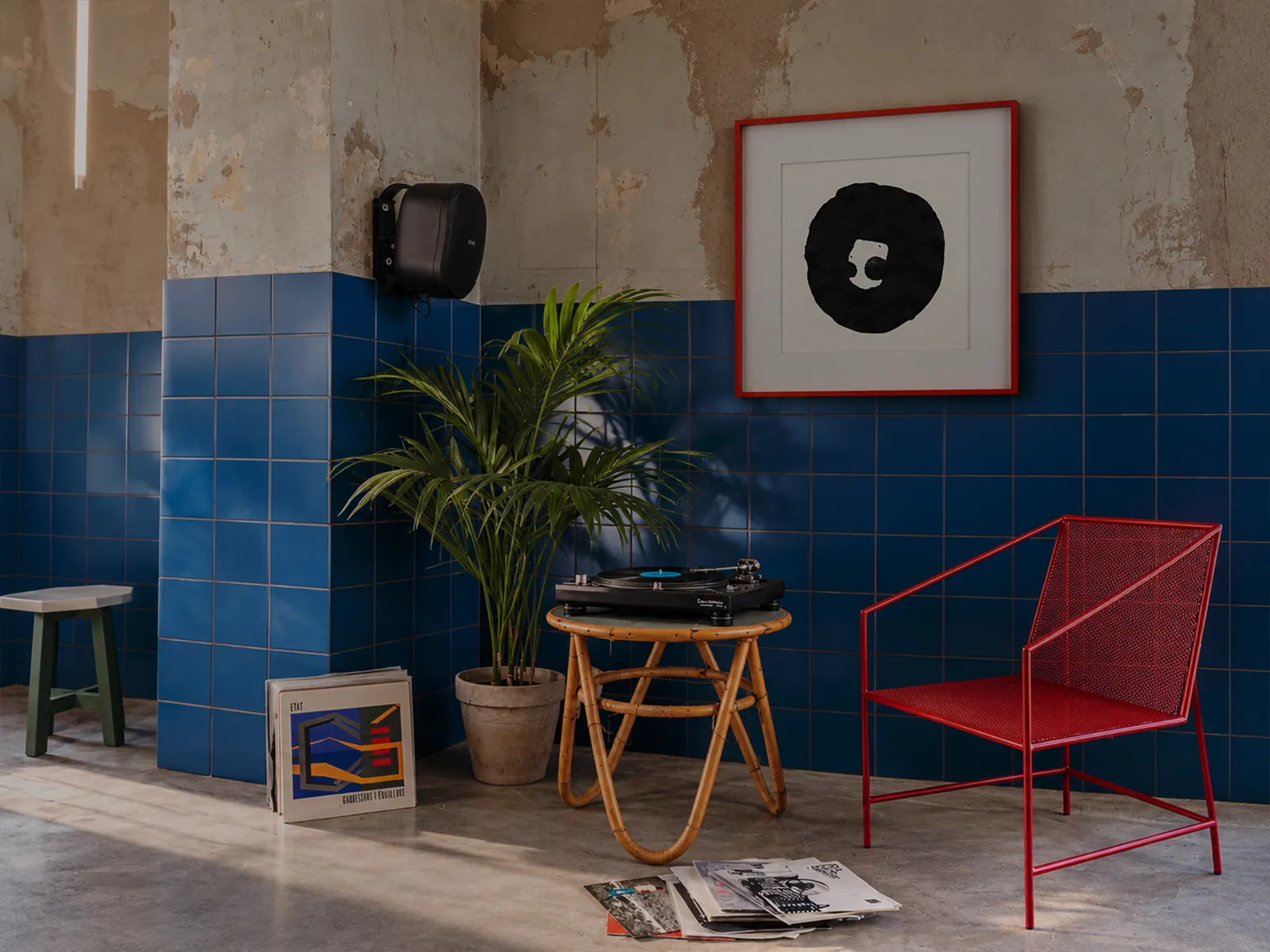
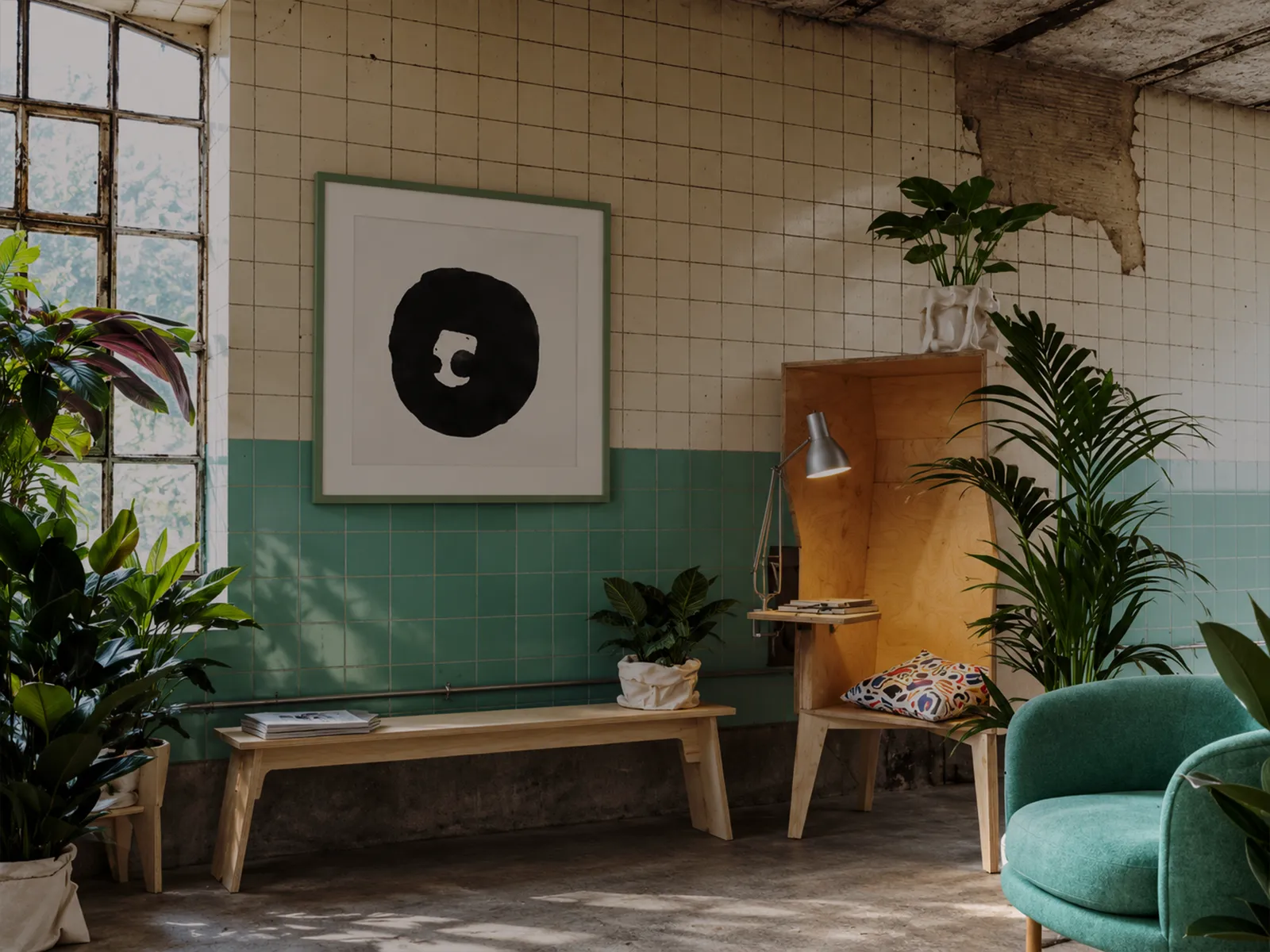
Gouache on paper.
Hand-painted print.
Custom sizes available upon request.
( Love at first Sight? )
Hand-painted print.
Custom sizes available upon request.
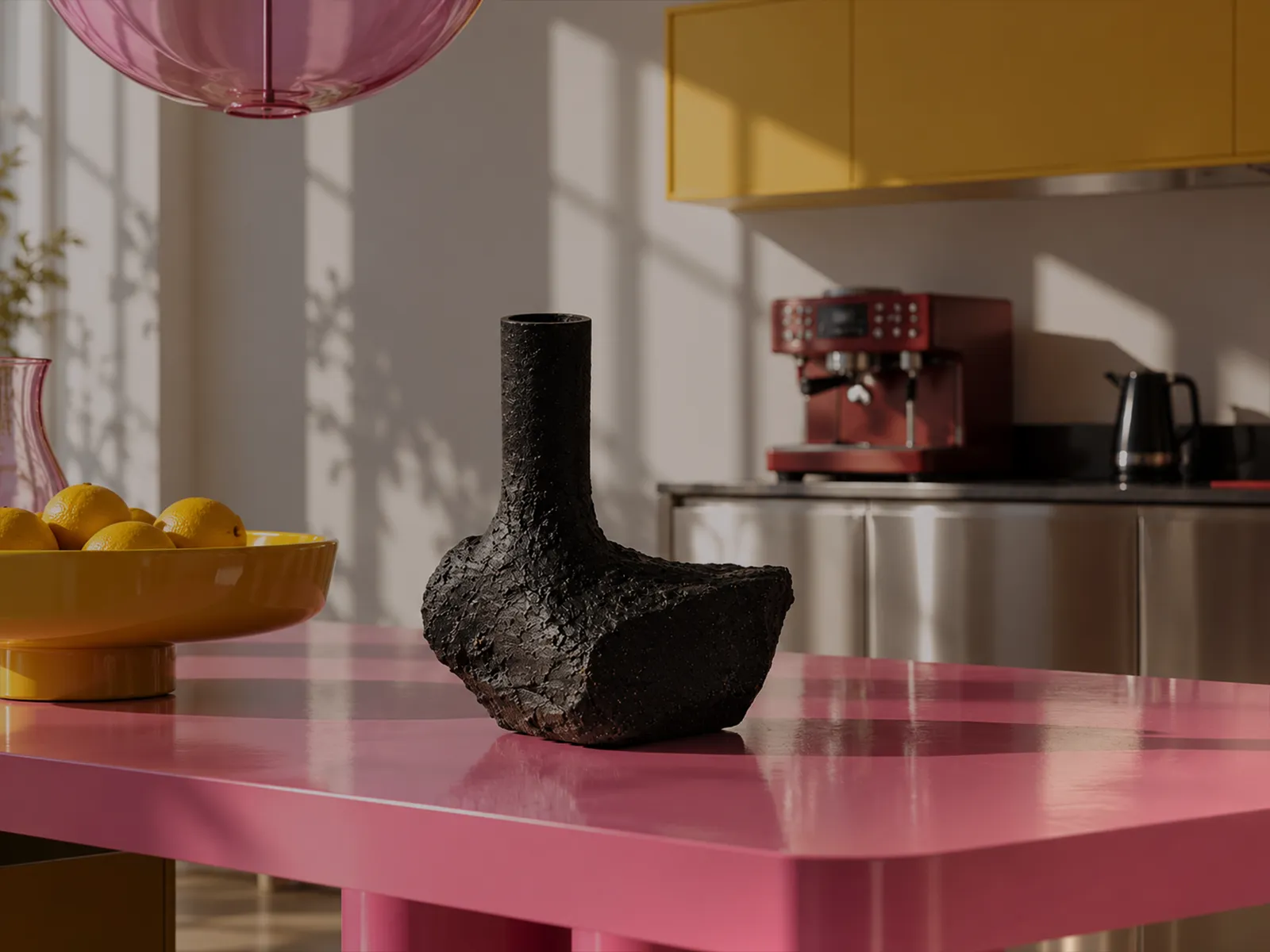
Volkan # 04
Black Jesmonite.
Handcrafted Sculpture.
Custom dimensions available upon request.
( Love at first Sight? )
Handcrafted Sculpture.
Custom dimensions available upon request.
Volkan # 01
Black Jesmonite.
Handcrafted Plate.
Custom dimensions available upon request.
( Love at first Sight? )
Handcrafted Plate.
Custom dimensions available upon request.
Volkan # 02
Black Jesmonite.
Handcrafted Sculpture.
Custom dimensions available upon request.
( Love at first Sight? )
Handcrafted Sculpture.
Custom dimensions available upon request.
Volkan # 03
Gouache on paper.
Hand-painted print.
Custom sizes available upon request.
( Love at first Sight? )
Hand-painted print.
Custom sizes available upon request.
Volkan # 04
Black Jesmonite.
Handcrafted Sculpture.
Custom dimensions available upon request.
( Love at first Sight? )
Handcrafted Sculpture.
Custom dimensions available upon request.
Volkan
Volkan is a study of matter, pressure and transformation.
The sculptural series takes its visual language from volcanic landscapes — surfaces shaped by heat, rupture and time, where something seemingly solid is constantly in the process of becoming something else.
Made in black Jesmonite, each object combines controlled geometry with deliberately irregular, almost geological structures. Smooth openings, cylindrical interventions and reduced silhouettes meet coarse surfaces, small imperfections and uneven edges. Rather than disguising the traces of the making process, Volkan allows them to remain visible. Texture becomes part of the form; imperfection becomes part of the object’s identity.
The pieces move somewhere between sculpture and functional object. Some suggest vessels, others fragments of architecture, tools or excavated artefacts whose original purpose is no longer entirely clear. This ambiguity is intentional. Instead of defining how an object should be read or used, the series leaves space for association.
The deep black material gives the works a sense of weight and permanence, while their organic contours prevent them from becoming static. Depending on the light, the rough Jesmonite surface shifts between almost matte, mineral darkness and subtle reflections, revealing cavities, ridges and traces that disappear again from another angle.
At its core, Volkan is interested in the relationship between control and accident, construction and erosion, permanence and change. Each piece begins with an idea of form, but the material is allowed to participate in the final result. Nothing is meant to feel completely polished or industrially perfect.
The objects therefore appear less manufactured than formed — as if they had been compressed, broken, melted and slowly brought back into shape.
The sculptural series takes its visual language from volcanic landscapes — surfaces shaped by heat, rupture and time, where something seemingly solid is constantly in the process of becoming something else.
Made in black Jesmonite, each object combines controlled geometry with deliberately irregular, almost geological structures. Smooth openings, cylindrical interventions and reduced silhouettes meet coarse surfaces, small imperfections and uneven edges. Rather than disguising the traces of the making process, Volkan allows them to remain visible. Texture becomes part of the form; imperfection becomes part of the object’s identity.
The pieces move somewhere between sculpture and functional object. Some suggest vessels, others fragments of architecture, tools or excavated artefacts whose original purpose is no longer entirely clear. This ambiguity is intentional. Instead of defining how an object should be read or used, the series leaves space for association.
The deep black material gives the works a sense of weight and permanence, while their organic contours prevent them from becoming static. Depending on the light, the rough Jesmonite surface shifts between almost matte, mineral darkness and subtle reflections, revealing cavities, ridges and traces that disappear again from another angle.
At its core, Volkan is interested in the relationship between control and accident, construction and erosion, permanence and change. Each piece begins with an idea of form, but the material is allowed to participate in the final result. Nothing is meant to feel completely polished or industrially perfect.
The objects therefore appear less manufactured than formed — as if they had been compressed, broken, melted and slowly brought back into shape.